
Advanced production planning & scheduling for discrete factories.
PlanIT is an analytics-based, finite-capacity planning engine built on Theory of Constraints, Lean and Agile principles — engineered for tanneries, leather goods, apparel and furniture factories that need to deliver on time, every time.

What is PlanIT, really?
Imagine a factory as a busy kitchen with many cooks, many stoves and many orders coming in at once. Someone has to decide who cooks what, on which stove, and in what order — so every dish goes out hot, on time, without anything burning.
PlanIT is that decision-maker for your factory. It looks at every order, every machine, every operator and every piece of raw material, then builds a clear day-by-day, hour-by-hour plan for the whole floor.
When something changes — a rush order, a machine breakdown, a late delivery — PlanIT instantly re-draws the plan and tells everyone the new promise date. No more guesswork, no more late nights rebuilding Excel sheets.
If any of this sounds like your day, yes.
You're a Factory Owner
You want orders shipped on time, less money stuck in work-in-progress, and clear answers when a customer calls.
You're a Production Planner
You're tired of rebuilding the same Excel sheet every morning, chasing updates from supervisors and apologising for slipped dates.
You're a Sales Manager
You need a real delivery date you can promise the customer — not a guess that gets revised three times.
You're an Operations Head
You want one screen that shows the whole floor — what's on track, what's at risk, and where the bottleneck is today.
You're a Supervisor
You want a clear job list for your line each shift, not a printout that's already outdated by lunch.
You're a CFO
You want lower inventory, less overtime, fewer penalties — and proof in numbers, not promises.
Planning and scheduling are the yin & yang of any factory.
Planning answers what to make and how. Scheduling answers who makes it and when. Get either one wrong and the order slips.
Done on spreadsheets or with a basic ERP screen, this becomes a slow, error-prone job. The planner spends days rebuilding the sheet every time a new order, a delay or a breakdown shows up. The plan ages the moment it is printed.
InventiX PlanIT replaces that fragile sheet with a real planning engine — one that understands your floor in detail and re-plans in minutes, not days.
Every factory fights these nine fires every week.
Change in order quantity
Delayed supply of raw materials
Fluctuation in cycle time
Material rejection
Resource unavailability
Machine breakdown
Change in delivery date
Sudden rush orders
Operator absenteeism
PlanIT does not eliminate these disruptions — nothing can. It absorbs them. Within minutes of a change, the schedule is re-balanced across machines, manpower and materials, and every stakeholder sees the new promise date.
Three foundations. One planning engine.
Theory of Constraints
Identify the bottleneck, exploit it, subordinate everything else to it. Goldratt's logic, applied to your real shop floor.
Finite Capacity Modeling
Plans against actual capacity — calendars, shifts, manpower, machines and molds — never against an infinite wish-list.
Lean & Agile Principles
Minimise WIP, expose waste, react fast. Small batches, fast cycles, transparent flow from order to dispatch.
One engine, three plant archetypes.
Machinery only
Process plants where the machine is the constraint — drums, presses, CNC, spray lines.
Man & Machinery
Mixed lines where operator skill and machine availability both bind the schedule.
Man, Machinery & Mold
Injection, casting, embossing — where mold changeovers drive sequencing decisions.
Six dimensions. Every plan, every shift.
PlanIT scores every candidate schedule against six real-world dimensions — the M6 — so the plan it gives you is the plan your floor can actually run.
Manpower
Skill, shift, attendance and learning curve — every operator counted against the plan.
Machine & Mold
Machine calendars, mold availability, changeover and breakdown logged as real constraints.
Material
Raw material availability, approval clearance and rejection feedback drive realistic start dates.
Method
Routings, SAM / cycle times and process recipes built in — drum, cutting, stitching, finishing.
Movement
WIP movement between sections, bottleneck buffers and pack-and-hold tracked end-to-end.
Money
Working capital, WIP value and on-time penalty exposure visible inside every planning decision.
Realistic plans grounded in real capacity.
- Factory calendar, shifts, start/end times — modelled accurately.
- Accounts for breakdowns, excessive changeovers and operator absence.
- Justifies overtime, sub-contracting or batch-splitting when they actually help.
- Strikes a fine balance between demand and available capacity.
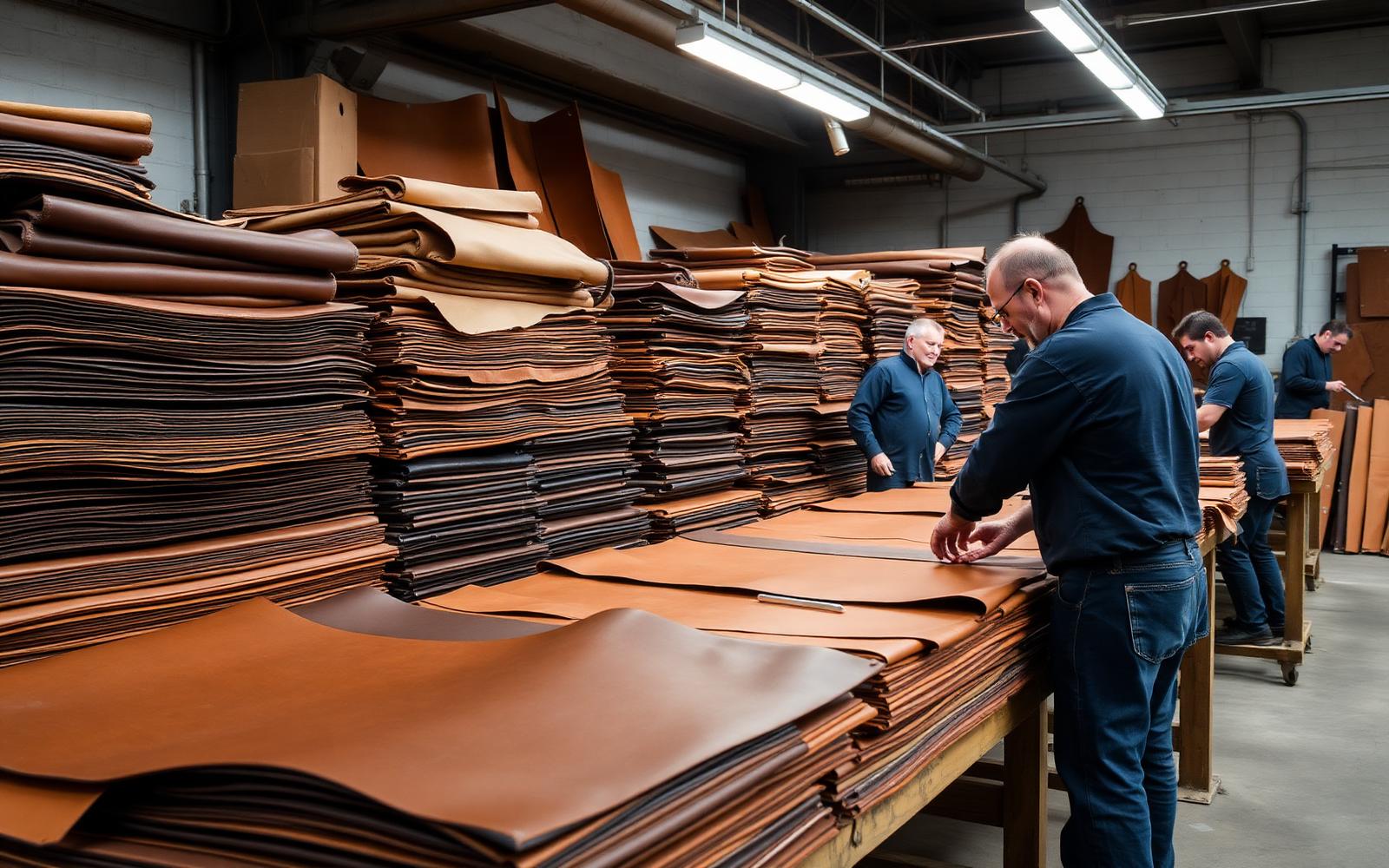
Try the change before you make it.
- Evaluates alternate plans against the same constraints.
- Compares consequential scenarios — extra shift, rush order, machine down.
- Schedules multiple work orders concurrently against shared resources.
- Gives planners the confidence to commit only what the floor can keep.
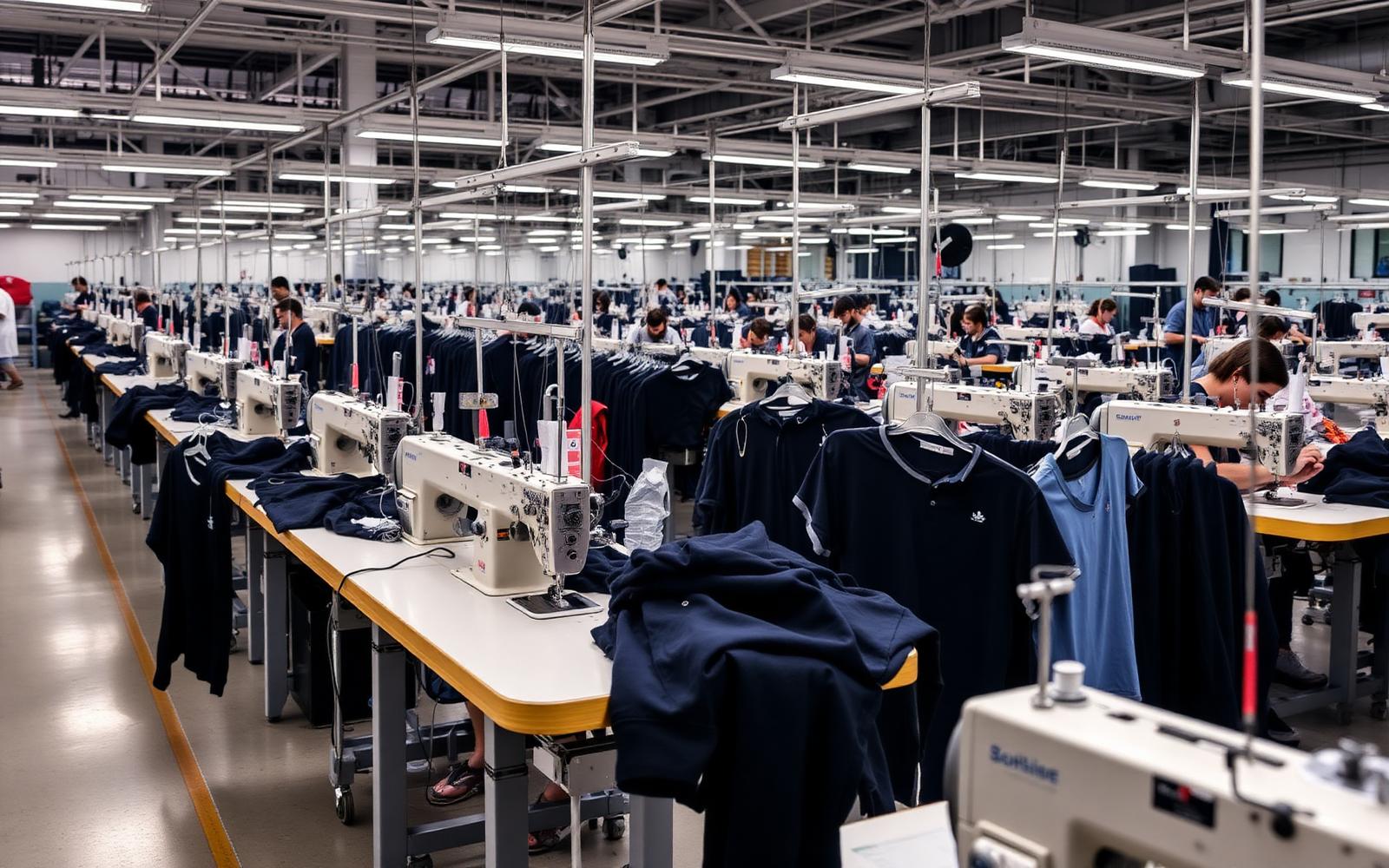
Move a bar. The whole plan re-balances.
- Colour-coded Gantt charts for every machine, line and operator group.
- Drag to re-sequence — downstream operations recalculate instantly.
- Share live with sales, sourcing and customers — no more email plans.
- Drill from order → operation → resource in a single click.
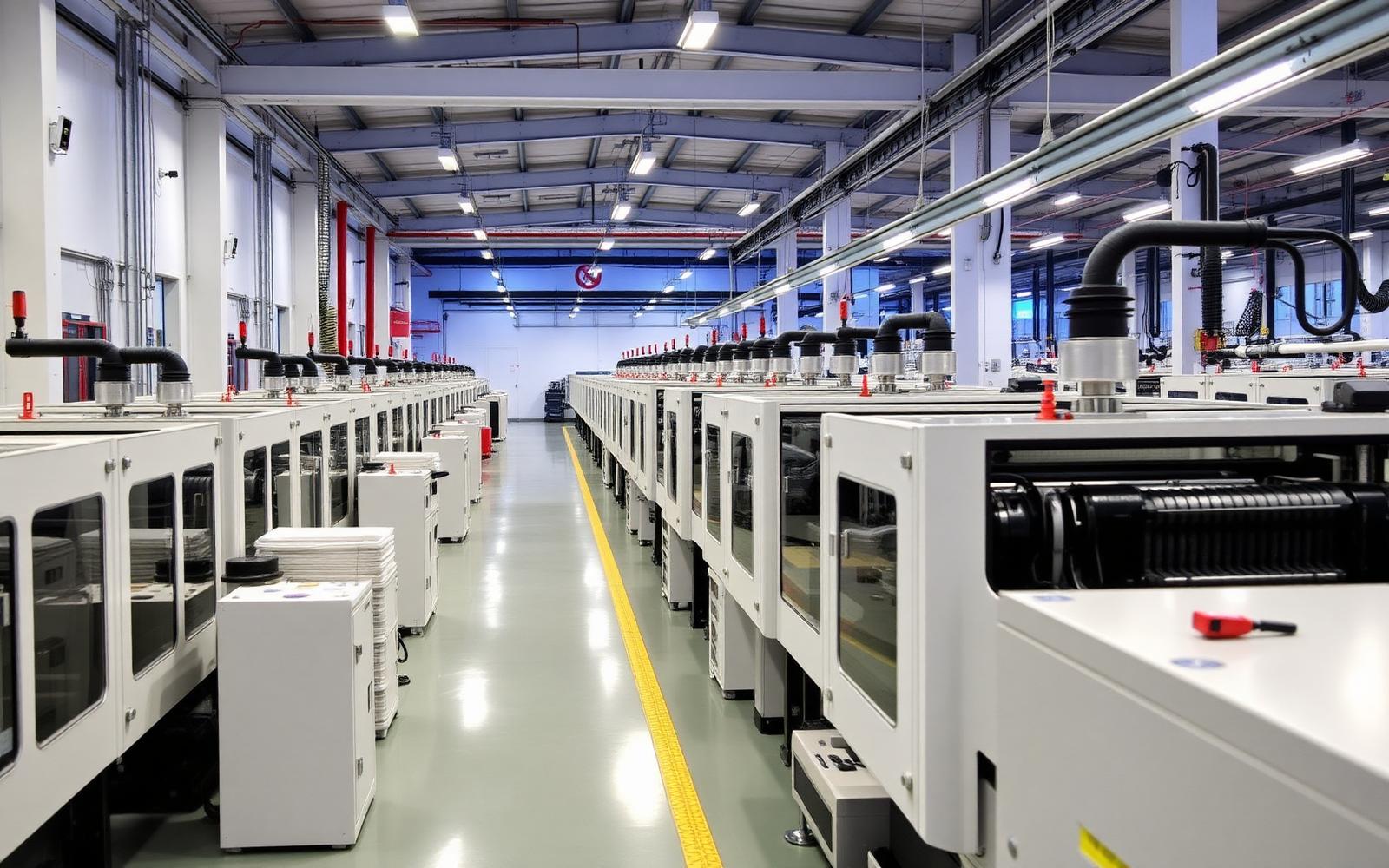
Everything a planner needs, in one system.
Finite Capacity Planning
Plans only what the floor can actually run — no more wishful Gantt charts.
What-If Analysis
Compare 2–3 plans side by side before you commit a single shift.
360° Order View
Every work order with priority, material, cycle time and customer date in one system.
Drag & Drop Gantt
Re-sequence by hand and the engine re-balances downstream operations instantly.
Bottleneck Removal
TOC-based logic highlights the constraint and protects it with the right buffer.
Quick Deployment
Live on the floor in a few weeks — on-prem or cloud, standalone or ERP-integrated.
Works With Any ERP
SAP, Oracle, Tally, MS Dynamics, custom ERPs, or just clean Excel templates.
Built for Discrete
Tannery drums, apparel size-curves, leather goods cells, furniture BOMs — out of the box.
What factories report after going live on PlanIT.
99% of customers see a measurable improvement in production performance within the first quarter — faster than they expected, and with the team they already have.
From planners on real shop floors.
“Having used spreadsheets for ages, we are in awe of how efficient and easy InventiX PlanIT is. The visual data helps us spot-fix issues instantly. And it is affordable enough to suit our requirements.”
“PlanIT has bridged the gap between our production and sales teams. Both teams have transparency on production status. We used to share this through email which was slow — now it's real-time. Faster communication has reduced firefighting too.”
Four simple steps from order to delivery.
No jargon. Here is what actually happens when PlanIT is running on your floor.
We learn your floor
We map your machines, shifts, operators, materials and routings — once. PlanIT now knows your factory by heart.
Orders come in
New orders flow in from your ERP, Excel or sales team. PlanIT slots each one into the schedule against real capacity.
Everyone sees the plan
Planners, supervisors and sales open one live screen. Everyone works from the same plan, updated in real time.
Change happens — we re-plan
A delay, a rush, a breakdown? PlanIT re-balances the schedule in minutes and shows the new promise date to all teams.
Common questions, plainly answered.
Do I need to replace my ERP?+
No. PlanIT sits next to your existing ERP — SAP, Oracle, Tally, Dynamics or even Excel. It reads orders and writes back the plan. Your ERP stays exactly where it is.
How long before we see results?+
Most factories are live within four weeks and see measurable improvements — better on-time delivery, lower work-in-progress, less firefighting — inside the first quarter.
Will my team find it hard to use?+
No. The main screen is a drag-and-drop Gantt chart — move a bar with your mouse and the whole plan re-balances. Planners pick it up in days, not months.
What if our process is unique?+
It probably is — and that is exactly why PlanIT is configurable. Tannery drums, apparel size-curves, leather goods cells, furniture BOMs and mold-driven lines are all supported out of the box.
Cloud or on our own servers?+
Both. Run PlanIT on the cloud for fastest setup, or on your own servers if your IT policy needs it. The features are identical.
What does it cost?+
Pricing depends on factory size and modules — but the payback is typically four to six months from reduced overtime, lower inventory and fewer late-delivery penalties. Ask us for a quick estimate.
Talk to an engineer. Not a sales script.
Every InventiX deployment begins with a no-cost process study by our manufacturing engineers — scoped to your floor, not a generic pitch.